


3 Symptoms Your Child Could Be Suffering From Sleep Apnea
Sleep apnea is a breathing disorder where your child’s breathing becomes interrupted during sleep. It usually starts in childhood, can continue into adulthood, have serious health consequences, and cause lifelong sleep problems. So if you notice the symptoms of sleep apnea in your child, it’s time to take action!
3 Signs Your Child May Have Sleep Apnea
- Mouth breathing during the day
If your child is mouth breathing during the day, it could be a sign of sleep apnea. Mouth breathing can cause several problems, including dry mouth, bad breath, and snoring. It can also lead to sleep deprivation, adversely affecting your child’s health. You must see a doctor for diagnosis and treatment if you suspect your child has sleep apnea.
- ADHD-like behavior
Some children with sleep apnea may have ADHD-like behaviors. It can include problems focusing, staying on task, and being impulsive or overactive. Additionally, children with sleep apnea may have difficulty sleeping through the night and may wake up frequently.
- Bedwetting
If your child is wetting the bed regularly, it’s essential to consult with your pediatrician to rule out any underlying medical conditions. While bedwetting is not necessarily a symptom of sleep apnea, it can indicate a nighttime breathing problem. In addition, if your child has other sleep apnea symptoms (snoring, gasping for breath at night, daytime fatigue), then bedwetting could be a sign that your child is not getting enough oxygen during sleep.
What Causes Sleep Apnea?
There are a few different things that can cause sleep apnea in children. One common cause is enlarged tonsils or adenoids. The enlarged tonsils or adenoids can block the airway and cause difficulty breathing. It can happen when the child has an infection, such as strep throat.
Other causes of sleep apnea in children include obesity, allergies, and congenital disabilities. Children who are obese are more likely to have sleep apnea because they have more tissue around their necks that can block the airway. Allergies can also lead to sleep apnea because they can cause airway inflammation, making breathing difficult. Congenital disabilities, such as a deviated septum, can cause sleep apnea by blocking the airway.
What is the Treatment for Sleep Apnea?
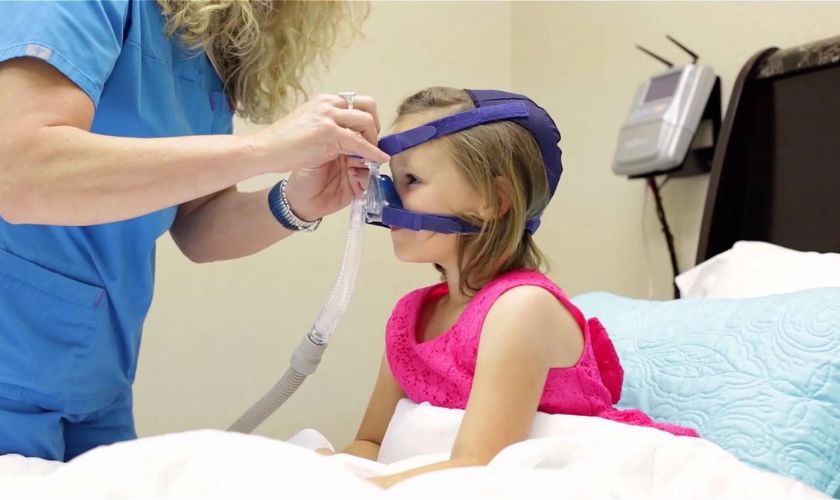
There are many different ways to treat sleep apnea in children. Some of the most common treatments include:
- CPAP (continuous positive airway pressure): This machine helps deliver air pressure to the child’s airway to keep it open while they sleep.
- BiPAP (bi-level positive airway pressure): This is similar to CPAP but delivers two different air pressure levels.
- Surgery: In some cases, surgery may be necessary to remove blockages in the child’s airway.
- Weight loss: If the child is overweight or obese, losing weight can help reduce sleep apnea symptoms.
Conclusion
If your child is snoring or has trouble breathing during sleep, they could suffer from sleep apnea. This condition can lead to health problems, so you must get your child checked out by a doctor if you suspect they may have sleep apnea. Look out for other symptoms like restless sleep, daytime fatigue, and difficulty concentrating, as these could also be signs that your child isn’t getting enough rest at night.
FAQ
Sleep apnea is a chronic condition, but it can be managed with the help of a dentist or doctor. The first step is to identify the symptoms and get a diagnosis. Once you know what you’re dealing with, you can work on finding a treatment plan that works for your family.